How well can you defend your team’s handling of personally identifiable information (PII) and other sensitive info?
Defensibility in subpoenas, regulatory inquiries, and contract reviews can be tricky when processes rely on manual effort or individual experience.
A more defensible redaction workflow requires moving beyond inconsistent ad hoc approaches. Let’s unpack the top 3 takeaways from Blackout power users related to defensibility.
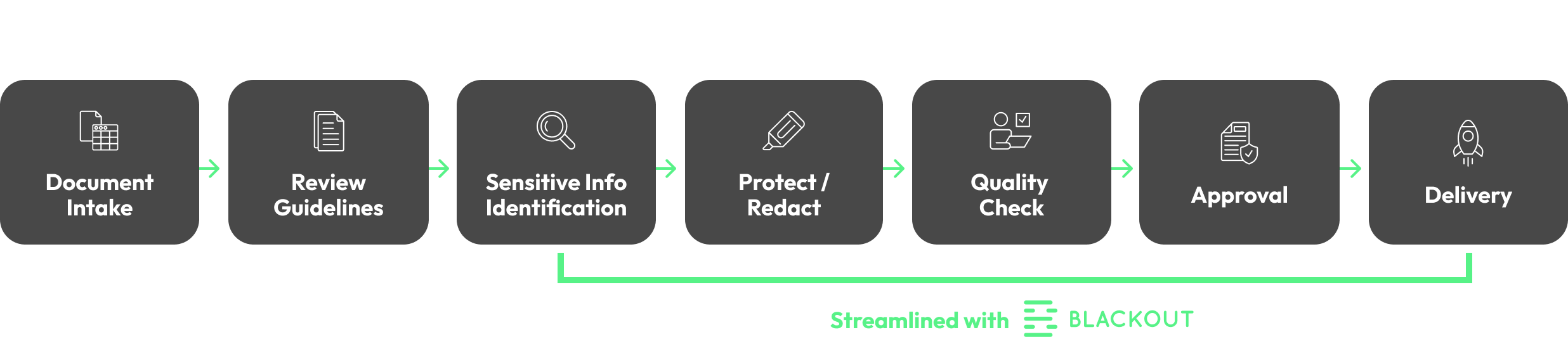
1. It’s in the Whole Process
Defensibility discussions often center on finalized documents. In practice, defensibility is shaped long before documents are delivered.
The outcome hinges on many questions:
- Were reviewers working from consistent guidelines?
- Was sensitive information identified using a repeatable process?
- Were quality checks completed before distributing documents?
- Could another reviewer follow the same process and reach similar results?
It takes a well-documented process to answer these questions confidently.
Key takeaway from our customers: “Don’t delay building your plan for the first time redaction is required.”
2. Consistency Becomes More Crucial as Work Increases
Your team can successfully manage the occasional manual document review. But increase the volume or make the requests recurring, and you’ve got a bigger challenge.
Teams may have multiple reviewers working simultaneously. New staff members join the department. Outside counsel or vendors may participate in portions of the work.
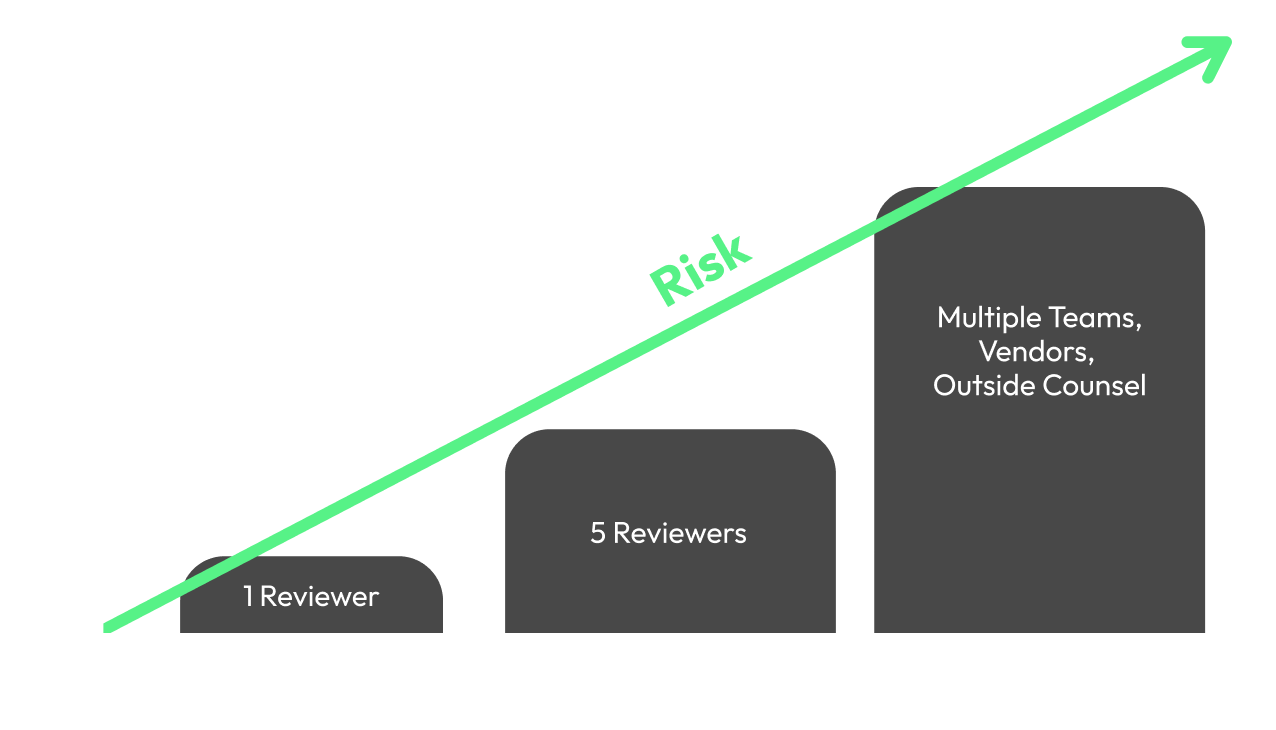
Without established review standards, each matter introduces inconsistency and risk. Even small differences in how reviewers identify sensitive information or perform quality checks can create unnecessary rework.
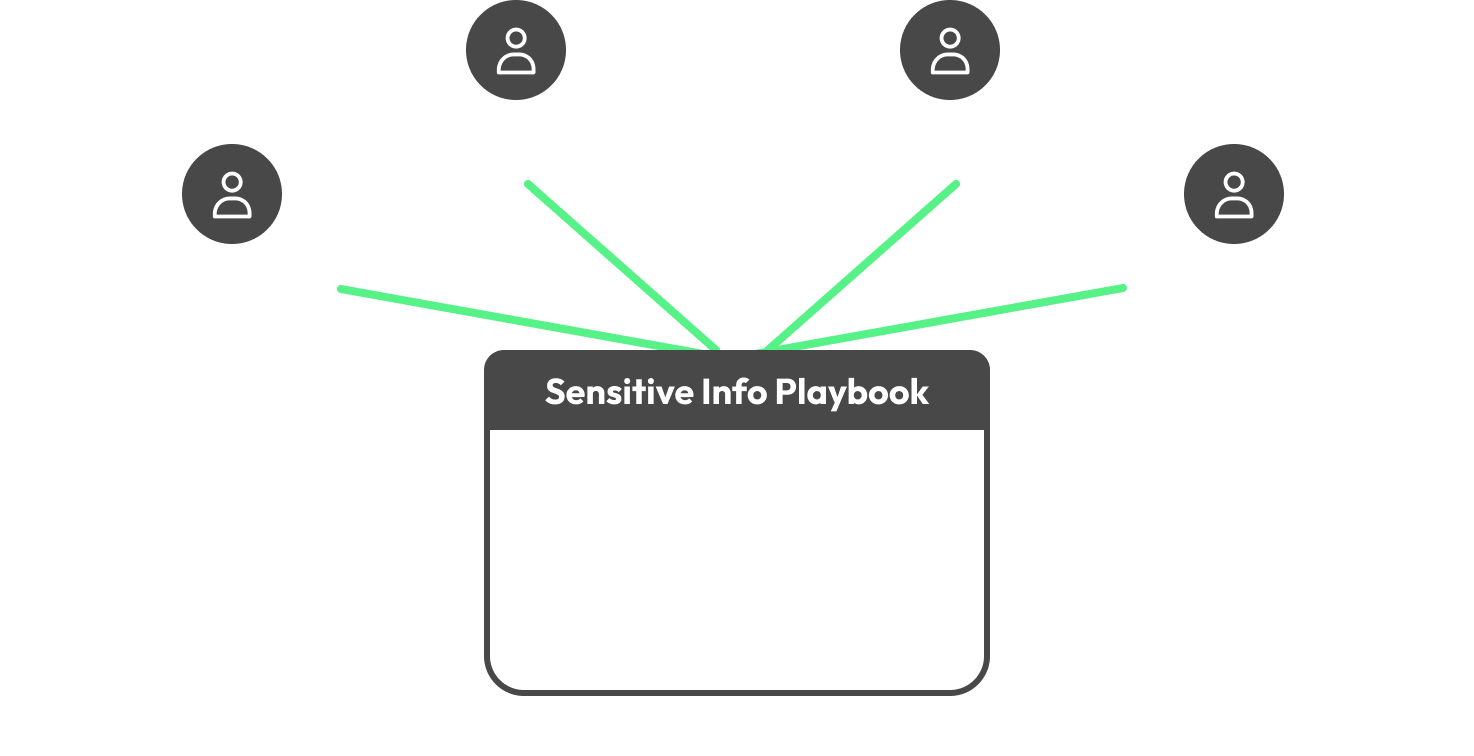
Key takeaway from our customers: “While litigation often dictates the parameters of redaction, it’s often less defined for a subpoena. Creating a template to fill out with what should be redacted and how it should be redacted is a great way to set clear expectations for your paralegals doing redaction for your projects.”
3. Quality Control Must Be Embedded in the Workflow
Defensible redaction workflows have quality built into the process from the beginning, including:
- Standard review criteria for common document types
- Defined approval steps before sharing documents
- Procedures for verifying completed redactions
- Documentation that supports consistent handling across matters
When these practices become routine, quality depends less on who performs the review. Everyone knows the right steps and the tools to succeed.
Key takeaway from our customers: “Similar to proofreading your own essays, double-checking your own redactions makes it easy to miss critical information. We recommend two ways to mitigate this risk: pick a tool that makes it easy to scan the text under redactions in the project phase, and have a second member of your team do the quality check.”
Building a More Defensible Process
Whether you need to protect PII in response to a court-ordered subpoena or protect company information before releasing a document publicly, we’ve built Blackout to seamlessly fit your sensitive information management program.
Blackout helps ensure that your work is mistake-free and audited. Anyone on the team can easily find and redact PII across multiple file types and data structures via our secure, standardized, platform.
Explore how Blackout can support consistent, defensible redaction and review. Test it out with a free trial using your documents and workflow.