You might not think of redaction processes as a major operational expense.
The thing is, it’s never a single response. Legal departments handle hundreds of subpoenas and regulatory requests each year, so small inefficiencies quickly multiply.
Here are some of the most common ways redaction workflows create hidden costs — plus how you can start to root out these issues.
Hidden Cost #1: Manual Work
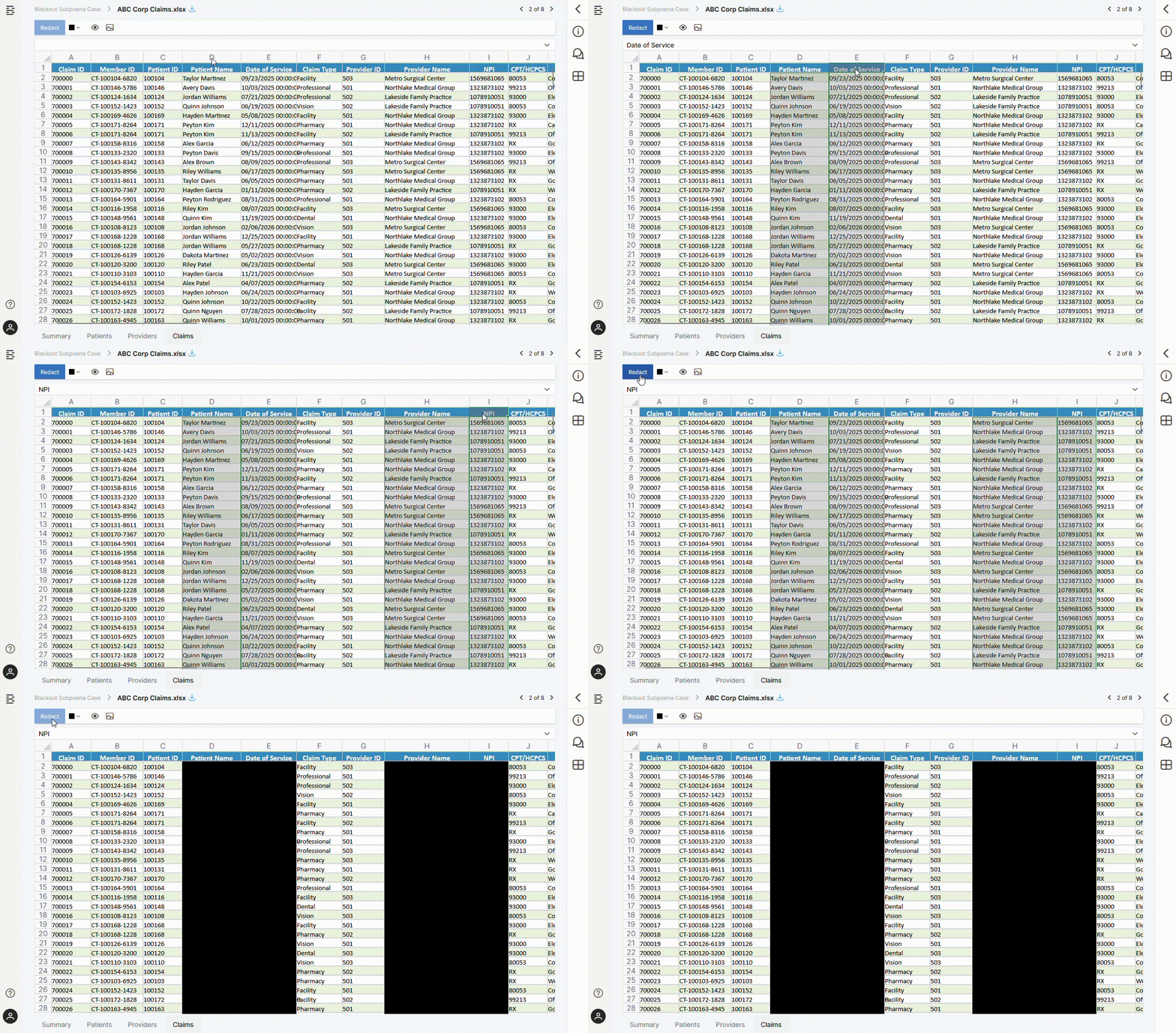
Reviewing documents manually may work for smaller or infrequent matters. But what about when the process is repeated across a growing number of requests? What happens when document volumes and sizes increase for each request?
For each project, someone has to:
- Gather documents from multiple locations
- Determine what information requires redaction
- Apply redactions document by document
- Verify the final output before delivery
Together, these steps can consume significant resources from attorneys, paralegals, or legal operations over the course of a year. When document volumes increase, teams often respond by assigning additional staff or sending work to outside vendors. But scaling this way isn’t always an option!
How to Fix It
Stop reviewing and redacting sensitive information on a document-by-document basis. Blackout redaction software organizes your documents so you can quickly understand the context of sensitive information, accelerate review turnaround, and simplify sharing quality control responsibilities.
Hidden Cost #2: Document Conversions
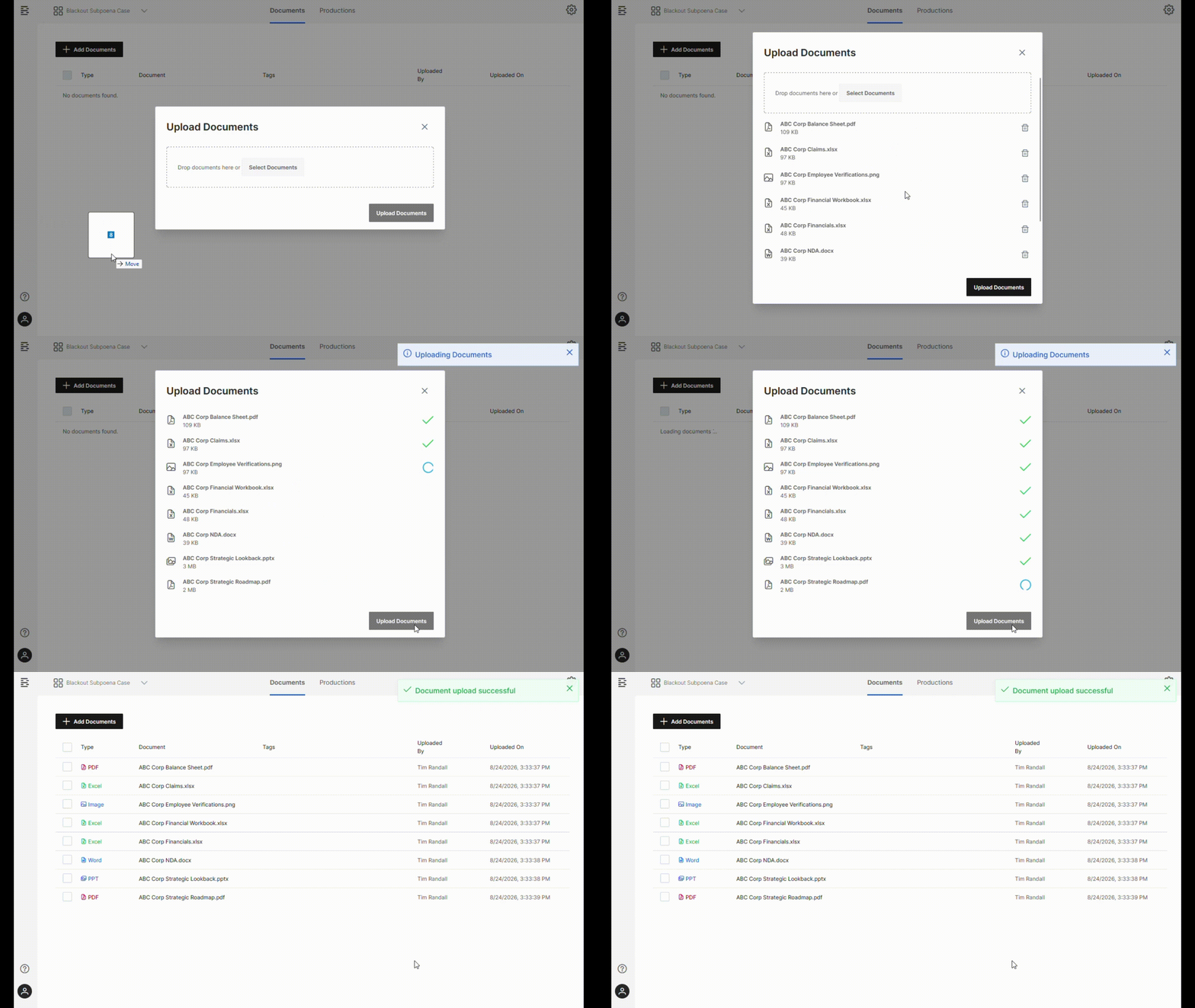
Almost every legal matter involves more than PDFs.
Spreadsheets frequently contain pricing information, financial records, customer data, or other sensitive information that must be reviewed and redacted in response to litigation, investigations, or regulatory requests. Spreadsheets pose a significant risk, as they’re difficult to modify and contain a variety of both automatically regenerating and hidden data.
When existing tools cannot redact spreadsheets in their native format, teams are forced to convert the files to PDFs before beginning the review. This conversion results in even small spreadsheets turning into hundreds of pages of PDFs that are difficult to navigate.
Beyond spreadsheet conversions, litigation typically requires delivering all documents as PDFs, leaving your team to convert emails, Word documents, PowerPoints, log files, and more into PDFs. This time-consuming process can introduce a variety of risks to your project, potentially leading to clawbacks or disputes from opposing counsel if you make a mistake.
How to Fix It
Eliminate the complexity and risk of converting not only your spreadsheets to PDFs but also all your documents to PDFs with Blackout. Our software handles the complex parts of document management for you. Convert nearly any business document to PDF, review it seamlessly, and use our powerful pattern-recognition tools to quickly surface sensitive information.
Cost #3: Inconsistent Processes
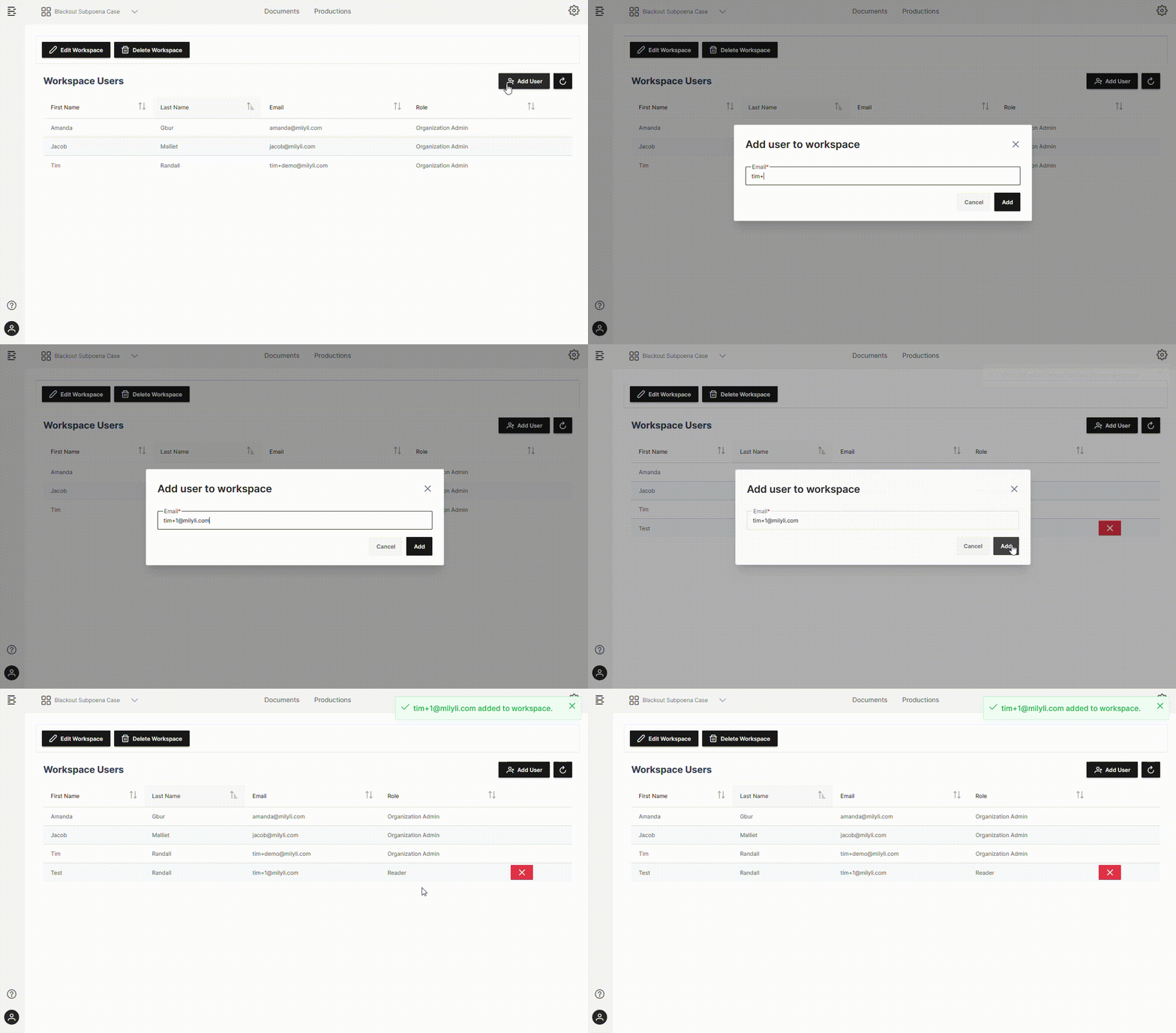
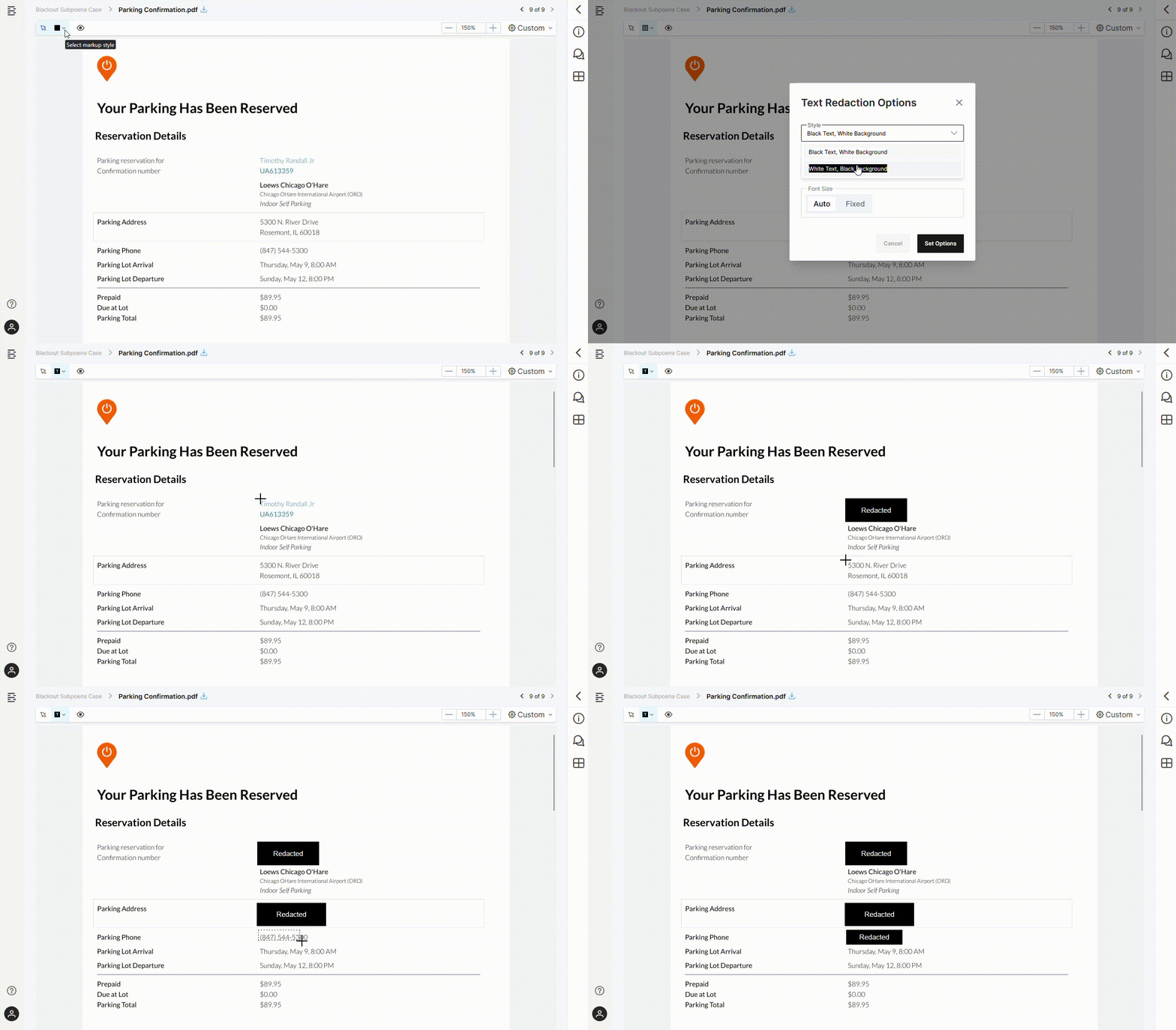
Legal departments often rely on experienced reviewers to make judgment calls throughout the redaction process. But these individual approaches naturally vary.
One reviewer may interpret a redaction standard differently from another. Quality control may vary depending on who performed the review. New team members may require time to learn undocumented practices that exist only through experience.
As document requests become more frequent, maintaining consistency becomes increasingly difficult without documented processes and repeatable review standards.
How to Fix It
Improve consistency across sensitive legal, compliance, and business matters. Blackout provides a secure end-to-end environment, so there’s no need to use one tool for PDFs, another for Excel, and manual processes everywhere in between.
Cost #4: Vendor Dependence
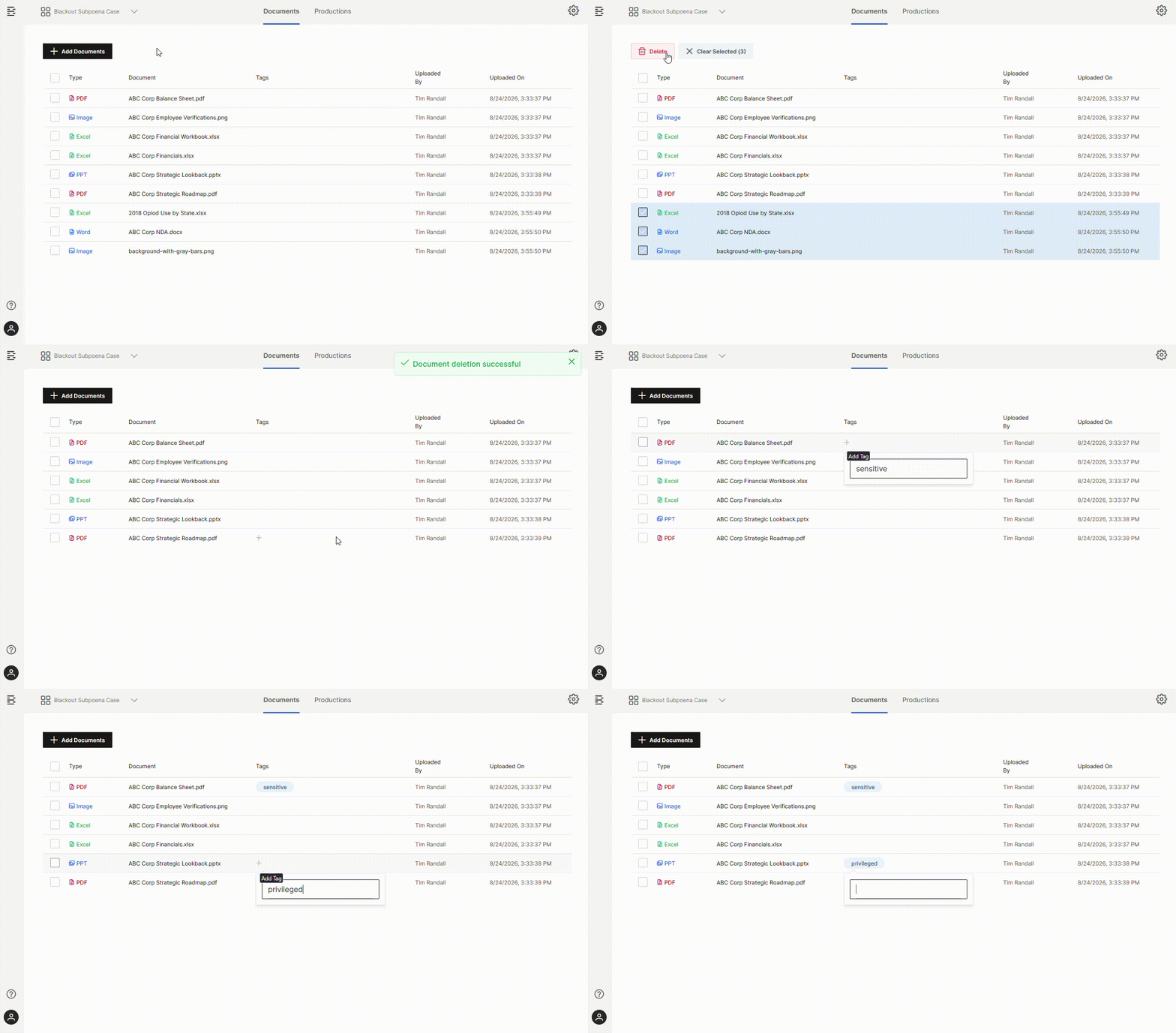
Vendors play an important role for many legal departments, particularly during large or specialized matters. They can provide additional expertise or trained staff augmentation to increase the reach of your team.
While many vendors offer a variety of specializations and tools for managing and protecting sensitive information, these often come at a steep cost. Vendor costs usually include charges for every step of the process — collection, initial review, and redaction can all be billed separately. Other cost approaches may include paying a flat fee per document, even if that document may never be modified.
Even after incurring these additional costs, your team will often still be burdened with conducting additional quality reviews of their work, especially for confidential or privileged documents.
Organizations handling recurring subpoena responses, regulatory requests, or privacy-related matters must consider whether this work can be managed more directly in their own operations.
How to Fix It
Retain in-house control over tasks that incur significant markups when sent to vendors due to high hourly rates and software overhead. Efficient redaction with Blackout helps you claw back the costs of outsourcing recurring work.
Get Ahead of These Challenges
As you review how you’re handling increasing volumes of sensitive info, it may also be time to evaluate the tools you’re using to support these workflows.
Blackout redaction software can help your team reduce manual effort, improve consistency and control, and keep more work in-house. Try it free with your own documents.

